Why Are Basketball Players So Tall? A humorous take with facts, stereotypes, and examples of “growth” in both the literal and figurative sense
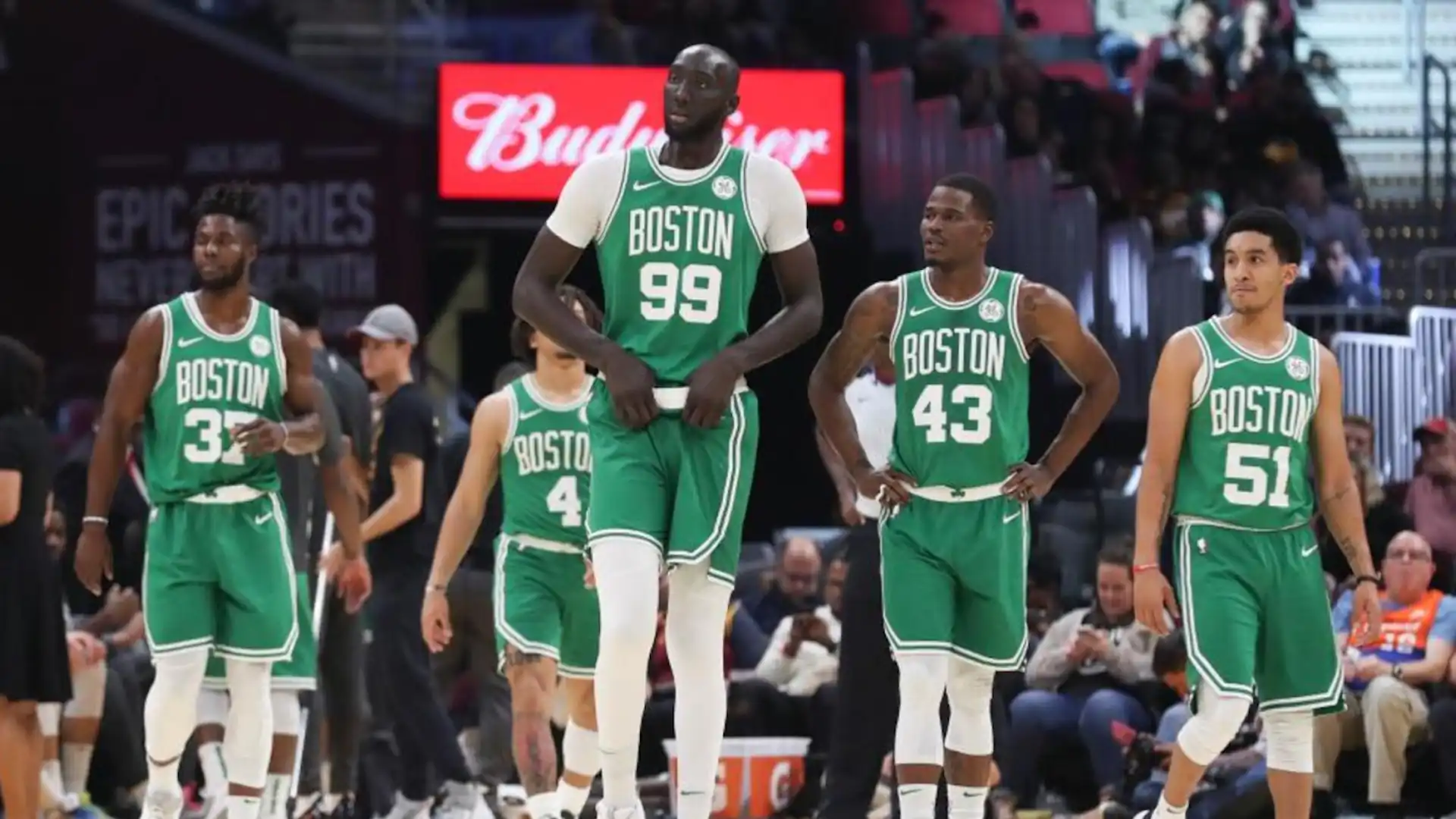
A stereotype is like an old movie take: everyone’s seen it, everyone quotes it, and everyone believes that’s just how it should be. And who hasn’t pictured the classic scene: a basketball player must be a giant. The kind of guy who doesn’t even need to jump — he just stretches his arm and the ball’s already in the hoop.
Orange ball, a huge court, sneakers squeaking on the parquet, and somewhere in the quiet of the gym you hear: “Just look at his height!” And yes, basketball players’ height really is impressive — often two meters plus, like they’re walking on stilts.
But what’s the trick? Is it all genetics? Or is it just a convenient illusion, like “all programmers wear glasses” or “chess players know the periodic table by heart”? Why did it turn out that basketball players are tall — a question as puzzling as “why do tennis players never smile”?
Here’s a curious detail: sports stereotypes often migrate into fan culture. Fans debate, analyze, and even test theories through sports betting apps — after all, adrenaline fuels interest no worse than myths about player height.
So, let’s lift the lid off this steaming pot of stereotypes. Spoiler: there’s more than one answer. And not all of them come down to centimeters.
Height — is it everything? What if not?
“Don’t ask how tall you are. Ask how high you can jump.” Michael Jordan might have said that, if he were in the mood to philosophize instead of dunking on people.
Yes, basketball loves tall players. But it doesn’t tolerate one-dimensional ones. You’d be surprised how many “short” geniuses rewrote the history of the game.
Take Muggsy Bogues. Height: 160 cm. That’s about a head shorter than today’s fifth grader and almost half a meter shorter than the average NBA center. Yet this “little guy” played 14 seasons in the NBA, handing out assists that left opponents scratching their heads and losing orientation. He’s still among the best in steals and assists. Small but mighty.
Or Spud Webb. Just 170 cm, yet he won the 1986 Slam Dunk Contest. Jumped so high, physics had to take a coffee break.
And Avery Johnson — around 180 cm with his cap on — still won an NBA championship with the San Antonio Spurs.
So, height isn’t everything. Some players have a good head, others are just a head taller. And it’s often the first group that wins.
Basketball Positions: Everyone Has Their Role
Basketball isn’t the army. Everyone has their own mission — and that means different body types, movements, and yes, heights. Not everyone has to be a communications tower. Let’s break it down:
-
Point Guard — The team’s brain. Runs the game, hands out passes, thinks faster than anyone.
Height: 175–190 cm. Shorter helps with speed and agility. -
Shooting Guard — The sniper. The one who shoots when all else fails.
Height: 185–195 cm. Needs balance — height for shooting, mobility for movement. -
Small Forward — The all-around soldier. Can shoot, rebound, and defend.
Height: 195–205 cm. This is where the “long arms” zone begins. -
Power Forward — Muscle and might. Battles under the hoop like a gladiator.
Height: 200–210 cm. Height and weight go hand in hand. -
Center — The tower. Rebounds, blocks, dunks.
Height: 210+ cm. The taller, the closer the ball is to the hoop.
See? Everyone has their role. A center without height is like a hammer without a handle. But a two-meter point guard? That’s like driving a semi-truck down a narrow alley: bulky and awkward.
How Height Helps: The Physics of the Game
Height isn’t just a number in your passport. It’s a tool — and a powerful one.
-
Jumps and Rebounds: The taller you are, the closer you are to the hoop. Obvious. Big men grab rebounds more easily — both on offense and defense. While you’re still in the air, he’s already got the ball. That’s why they say: “Centers don’t jump, they just reach.”
-
Blocks and Defense: Wingspan is the bonus. Imagine a player 215 cm tall with a 230 cm wingspan. Getting a shot past him is like trying to throw a bowl of soup over a fence. Sometimes it’s easier to go around. Or not try at all.
-
Court Vision and Passing: A tall player sees the game like from a balcony. They can pass “upwards” — to places defenders simply can’t reach. And in offense, they see everything: who’s open, where the gaps are.
-
Stride and Speed: Myth: tall = slow. In reality, modern giants move like panthers. Their long stride covers space quickly. Add good coordination, and stopping them is impossible.
Can Basketball Make You Taller?
As a teen, growing feels like playing a game on “hard mode”: you do everything right, but the result depends on the universe’s mood. Basketball, though, has its own tools.
Jumping, shooting, stretching — all this doesn’t just help score baskets. It also unloads the spine, eases joint stress, and stimulates growth plates. It’s not just sport; it’s physiotherapy in sneakers.
Dynamic stretching — a staple of basketball training — improves blood flow, muscle elasticity, and lets the skeleton “breathe.” A foundation for growth.
But let’s be real: if you sleep 4 hours, live on instant noodles, and think “recovery” is for robots — no sport will save you. Growth is an orchestra. Basketball is only one violin. The rest are nutrition, routine, rest, and hormones. If they play out of tune, you won’t get a growth symphony.
The Evolution of Height in Basketball
Basketball evolves. Styles, tactics, trends — and height, too.
-
In the 1950s, the average player looked more like an intercity bus driver: about 188 cm.
-
By the 1980s, giants were in fashion — the average jumped to 198 cm.
-
Today, it’s steady around 197 cm.
Looks stagnant? Not really. The meaning changed. The gap between positions became clearer, role requirements sharper. Basketball got smarter.
Centers? Still giants. But on the perimeter, it’s about reaction, 3-pointers, and one-on-one defense. There, height isn’t king — just an advisor.
The Tallest Players Ever
Now, let’s meet the titans. Those who looked like the hoop was invented specifically for them.
-
Suleiman Ali Nashnush (Libya): 245 cm. Nearly 2.5 meters of human architecture. Played for Libya’s national team in the 1960s, then made history — and medical textbooks.
-
Sun Mingming (China): 240 cm. You can spot him from a block away.
-
Manute Bol (231 cm): Arms like windmills. Blocked shots as if swatting mosquitoes.
-
Yao Ming (229 cm): The Chinese colossus, Houston Rockets legend. The first giant who wasn’t just big, but also smart and quick.
But here’s the catch: being that tall isn’t always a blessing. Extra weight, joint issues, injuries. Giants often have shorter careers. Like a long arrow — flies far, but bends easily.
Why Most Basketball Players Are Tall
So, the big question: why are basketball players tall?
Answer: not a myth, but efficiency.
Advantages of height in basketball:
-
Easier access to the hoop — less effort, more points.
-
Blocking power — long arms + jump = human barrier.
-
Rebounding advantage — height often decides who owns the ball.
-
Wider range — passing, steps, coverage.
-
Psychological pressure — facing a two-meter forward rattles nerves like thunder.
That’s why coaches love giants. Like having a car with turbo: you may not use it every time, but it’s nice to know you can.
But There’s Room for Everyone: The Short Players’ Game
Basketball isn’t just for the tall. Some positions reward brains over centimeters.
Point guards, shooting guards, sharpshooters — they succeed with speed, dribbling, sharpness, and court vision. A short player is like a movie without special effects but with a brilliant plot. No intimidation — just inspiration.
Plenty of examples: from Muggsy Bogues to Isaiah Thomas (the shorter one, 175 cm, but deadly with his shot). Speed and intelligence can be more lethal than an extra 30 cm.
How Coaches Choose Basketball Players
Yes, height matters — it’s often the first filter. But not the final verdict.
Next come coordination, reaction, speed, flexibility, teamwork. And personality. Basketball isn’t about “jump and score.” It’s about thinking on the move.
Fun fact: the average height in school teams is around 175–177 cm. Not giants — just regular teens with fire in their eyes.
You can start at 4. Or at 14. There’ve been plenty of cases where kids switched from soccer or volleyball and ended up playing for the national team. Sports sense talent, not birth dates.
Myths vs. Reality: Busting the Stereotype
-
Height helps, but doesn’t guarantee success.
-
Basketball, like life, loves surprises.
-
Can you grow by playing basketball? Yes, especially as a kid, with good genes and healthy habits.
-
Do you have to be tall? No.
-
Then why is the “basketball = tall” question so popular? Because it’s a vivid picture. But the real depth lies in the game, not in centimeters.
FAQ
Is it true only tall people can play basketball?
No. On some positions, agility, reaction, and intelligence matter more.
Does a shorter teenager have a chance?
Yes. Especially if they build other key skills: speed, vision, dribbling.
Can basketball help you grow taller?
Along with nutrition and rest — yes. Especially in adolescence.
Who was the tallest basketball player ever?
Suleiman Ali Nashnush — 245 cm.
What’s the average NBA height today?
Around 197–198 cm, depending on position.
Discuss the news!
Jump to comments ↓
Comments
0